Social media has become one of the primary sources of information about health and nutrition for millions of people. Advice from bloggers, viral diets, and “miracle methods” spreads faster than official recommendations from doctors and scientific organizations. The problem lies not only in the quality of these recommendations but also in their scale: nutrition misinformation has evolved from being an isolated mistake into a factor affecting public health on a large scale.
Understanding the mechanisms behind the spread of false or distorted nutritional information is essential both for individual users and for the healthcare system as a whole. This is not about banning information but about understanding how digital environments shape eating behaviors, risks, and long-term health outcomes.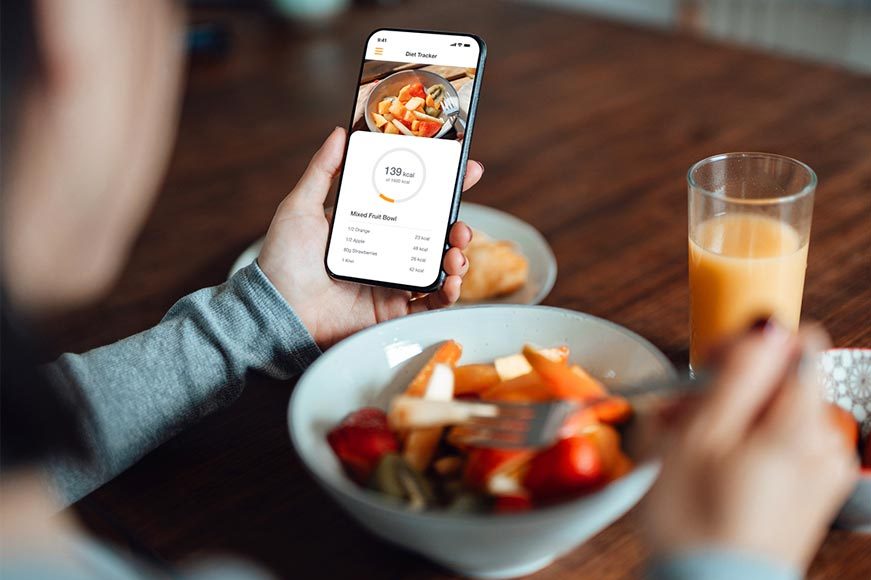
Why Social Media Fosters Nutrition Misinformation
Social platforms were not originally designed as educational or medical tools. Their primary goal is to capture and retain user attention, not to verify content accuracy. Algorithms promote materials that trigger emotional responses: promises of quick results, radical restrictions, or “secrets” supposedly hidden by specialists.
Nutrition fits perfectly into this logic. Food is a daily, emotionally significant topic, linked to appearance, self-esteem, and the sense of control over life. When a user sees a “before and after” story supported by a blogger’s personal experience, it often appears more convincing than dry scientific data.
The causal relationship is clear: the simpler and more radical the message, the higher its viral potential. Complex explanations about nutrient balance, individual needs, and long-term effects are overshadowed by short slogans like “cut this one product and lose weight.” As a result, simplified and often distorted models of nutrition dominate the information space.
Another factor is the blurring of expertise. On social media, visual appeal, confident presentation, and follower count are often perceived as proof of competence. This creates an illusion of opinion equality, where scientifically grounded recommendations are placed on the same level as personal beliefs or commercial interests.
Fake Diets and Their Impact on Eating Behavior
One of the most noticeable manifestations of misinformation is fake or pseudoscientific diets. They often revolve around excluding entire food groups, demonizing specific nutrients, or promising rapid “body cleansing.” These approaches rarely consider physiology, individual differences, or long-term consequences.
At the individual level, this leads to unstable eating patterns. People cycle from one diet to another, experiencing periods of strict restriction and subsequent relapses. Instead of forming sustainable habits, they develop an attitude toward food as a source of threat or guilt.
From a public health perspective, this has a cumulative effect. The spread of radical diets increases the risk of vitamin and mineral deficiencies, metabolic disorders, and eating disorders. Adolescents and young adults, for whom social approval and visual standards play a significant role, are especially vulnerable.
Many trends are disguised as “mindful eating” or “health care,” although they are fundamentally based on fear and exclusion. The causal link is evident: the more content focuses on bans and “enemies,” the higher the level of anxiety around food and body image.
Over time, this changes cultural perceptions of nutrition. Food ceases to be a source of energy and social connection, becoming a constant object of control. On a societal level, this undermines the core principles of preventive medicine, which rely on moderation and balance.
Risks to Physical and Mental Health
Nutrition misinformation is dangerous not only because of dietary errors but also due to its impact on mental health. Constant comparisons with idealized images, pressure to eat “correctly,” and fear of making the “wrong” choice generate chronic stress.
Physical consequences may be less noticeable in the short term but significant over time. Extreme diets strain the cardiovascular system, affect hormonal balance, and can exacerbate chronic conditions. Meanwhile, rejecting medical advice in favor of online recommendations increases the risk of delayed diagnosis and complications.
The spread of anti-medical narratives presents a particular challenge. Avoiding “chemicals,” distrusting doctors, and believing in universal “natural” solutions create a false sense of security. As a result, people may ignore symptoms or replace treatment with unproven dietary approaches.
From a public health standpoint, this leads to increased pressure on healthcare systems. The consequences of poor nutrition and eating disorders require long-term, comprehensive treatment, which is far more expensive than prevention.
The psychological aspect is equally important. Strict dietary rules often reduce quality of life, increase social isolation, and diminish enjoyment of food. These effects are rarely discussed on social media, where the focus is solely on external results.
Combating Misinformation: Education and Platform Responsibility
Addressing nutrition misinformation cannot be reduced to content removal or bans. Such measures do not eliminate the underlying reasons why people seek simple answers and alternative sources of knowledge. A more sustainable approach involves developing critical thinking and nutritional literacy.
Educational initiatives are key. Understanding basic principles of nutrition, distinguishing scientific evidence from personal anecdotes, and learning how algorithms operate helps users consume information more consciously. The causal relationship is straightforward: the higher the level of knowledge, the lower the susceptibility to radical and false claims.
Social platforms also bear responsibility. Labeling unreliable content, promoting verified sources, and collaborating with experts can reduce the spread of harmful trends. However, these measures must not appear as censorship but as user protection.
The role of nutrition and medical professionals is equally important. Their presence in digital spaces allows for an alternative narrative—less sensational but more sustainable. When scientifically grounded recommendations are presented clearly and with consideration of real user needs, they become competitive with fake diets.
In the long term, combating nutrition misinformation is an investment in public health. It requires an interdisciplinary approach, combining education, medicine, technology, and communication culture.
Key Takeaways
Nutrition misinformation on social media has become a systemic problem rather than an isolated occurrence.
Platform algorithms amplify simplified and radical dietary ideas.
Fake diets create unstable eating behaviors and increase health risks.
Mental health suffers alongside physical health due to anxiety and societal pressure.
Anti-medical narratives undermine trust in evidence-based medicine.
Education and critical thinking are essential tools to counter misinformation.
Conclusion
Nutrition misinformation on social media poses a serious public health threat, affecting the behaviors of millions simultaneously. It distorts perceptions of normal eating, undermines trust in science, and creates persistent but harmful dietary habits. Addressing this issue is not about imposing bans but fostering awareness, education, and responsible communication. In the digital age, health increasingly depends not only on what we eat but also on what we believe.
