In recent decades, plastic waste has emerged as a global environmental threat. Millions of tons of plastic end up in oceans every year, polluting water, soil, and negatively impacting human and animal health. One of the most accessible and effective ways to reduce this impact is by rejecting single-use plastics in everyday life. This topic is relevant for anyone aiming to live sustainably and reduce their personal carbon footprint.
Rejecting Plastic as a Socio-Cultural Trend
The movement to reject single-use plastics is not merely a practical measure but also a socio-cultural phenomenon. In many countries, initiatives promoting reusable bags, bottles, containers, and alternative materials are gaining momentum. This trend intersects environmental awareness, technological possibilities, and cultural values.
Historically, humans relied on natural materials such as wood, glass, metal, and cloth in daily life. Plastic became dominant only in the 20th century due to its low cost and versatility. It facilitated storage, transportation, and food preparation but created a hidden, long-term problem: the decomposition time of plastic items spans decades or even centuries. Understanding this historical context highlights the importance of returning to more sustainable habits.
Modern studies indicate that individuals who actively use reusable solutions can reduce household plastic waste by 50–70% per month. The cause-and-effect relationship is straightforward: the more frequently single-use items are replaced with reusable alternatives, the less plastic enters waste streams and the environment.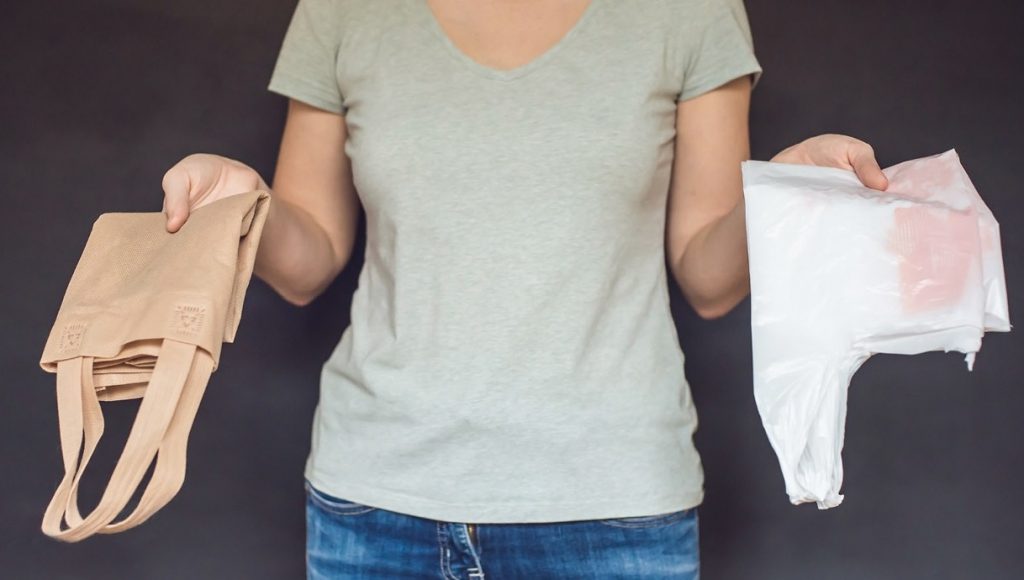
Key Areas of Plastic Reduction
Eliminating plastic from daily life involves several key areas, each requiring behavioral changes.
Consumer Purchases
Bags, packaging, and containers are the first areas where the impact of rejecting single-use plastic is noticeable. Many supermarkets and local stores allow customers to bring their own bags and containers or offer biodegradable or paper alternatives.
Examples of practice:
Using cloth or mesh bags instead of polyethylene bags.
Choosing unpackaged products, such as vegetables, grains, and bread in paper wrappers.
Purchasing household items in bulk to reduce the frequency of plastic packaging.
The cause-and-effect link is clear: systematically replacing single-use items with reusable alternatives reduces daily plastic production and lowers the burden on recycling systems.
Kitchen and Food Storage
Plastic is ubiquitous in the kitchen: containers, wraps, bottles, freezer bags. Rejecting single-use solutions requires transitioning to glass, metal, or silicone alternatives.
Examples:
Glass jars for storing grains, dried fruits, and sauces.
Silicone lids and reusable freezer bags.
Glass bottles for water and beverages instead of plastic.
These changes not only reduce waste but often save money, as reusable items last for years.
Takeaway Food and Drinks
Disposable cups, straws, and food containers constitute a significant portion of daily plastic use. Avoiding them requires planning and alternative materials.
Examples:
Reusable thermoses and water bottles.
Stainless steel or glass containers for meals.
Metal or bamboo straws.
Cause-and-effect: eliminating disposable cups directly reduces the amount of plastic discarded daily and helps prevent ocean pollution.

Personal Hygiene and Household Products
Plastic packaging for shampoos, toothpaste, cleaning agents, and cosmetics also generates substantial waste. Switching to solid soaps, shampoos, and refillable containers is a crucial part of eco-friendly living.
Examples:
Solid shampoo bars and soap without packaging.
Refillable bottles for cleaning products.
Bamboo toothbrushes instead of plastic ones.
These measures decrease household plastic waste and foster more conscious consumption.
Comparative Table: Single-Use vs. Reusable Plastic Use
| Area of Use | Single-Use Plastic | Reusable Alternatives | Environmental Effect |
|---|---|---|---|
| Shopping | Plastic bags | Cloth bags, baskets | Reduces plastic waste |
| Food storage | Plastic containers | Glass, metal, silicone | Durability, fewer waste items |
| Takeaway food and drinks | Plastic cups | Metal bottles, thermoses | Reduces daily plastic disposal |
| Personal hygiene and cosmetics | Plastic tubes and bottles | Solid soap, refillable bottles | Less packaging waste |
| Household chemicals | Single-use bottles | Reusable containers | Reduces waste and environmental load |
This table illustrates that rejecting single-use plastics affects nearly every aspect of daily life and significantly reduces environmental impact.
Psychological and Social Aspects of Rejecting Plastic
Rejecting plastic is not merely a technical process; it involves changing habits, perceptions, and lifestyle. Transitioning to reusable alternatives requires conscious planning and the creation of new routines, such as remembering to carry a bag, thermos, or container.
The social dimension is equally important: individual changes within families and communities can inspire others to adopt sustainable habits. Public campaigns, educational initiatives, and school projects amplify this effect, making plastic-free living a social norm.
Economic Context
Although initial costs of reusable items are higher, they are economically beneficial in the long run. Glass bottles, metal containers, and cloth bags last for years, reducing expenditure on single-use items. Moreover, decreasing plastic waste reduces the burden on municipal recycling and waste management systems, generating additional societal economic benefits.
Cultural Differences
Attitudes toward plastics and habits of consumption vary across cultures. In Northern Europe and Japan, high levels of environmental awareness and waste sorting create strong routines for reducing plastic use. In other regions, mass consumption and lack of recycling infrastructure create barriers to eco-friendly living. Understanding these differences helps design realistic strategies for adopting sustainable habits globally.
Practical Strategies for Implementing Plastic-Free Habits
Start gradually: replace bags and bottles first, then kitchenware and cleaning products.
Plan purchases: choose unpackaged items, buy in bulk, and use containers.
Use reminders: maintain a checklist of reusable items for shopping or takeaway drinks.
Involve family and friends: collective efforts increase habit sustainability.
Monitor alternatives: select products with minimal environmental impact, considering recyclability and longevity.
Key Takeaways
Rejecting single-use plastics reduces environmental load and waste generation.
Reusable alternatives span all areas of daily life: shopping, kitchen, personal hygiene, and household products.
Psychological and social factors are crucial for developing sustainable habits.
Long-term economic benefits of reusable items outweigh initial costs.
Cultural and infrastructural contexts influence the success of plastic-free habits.
A gradual replacement strategy increases the likelihood of long-term results.
Engagement of family, friends, and communities enhances behavioral change.
Conclusion
Rejecting single-use plastics is not merely an environmental measure; it represents a profound shift in daily habits affecting every aspect of life. It requires conscious planning, social support, and a willingness to adopt new routines. Yet, the benefits are tangible: less waste, financial savings, improved health, and the cultivation of sustainable practices. By embracing reusable alternatives, individuals can make a significant contribution to protecting the planet and foster a culture of eco-conscious living.
