Climate change is increasingly discussed not only as an environmental or economic issue, but also as a serious factor influencing human health. Rising temperatures, extreme weather events, and ecosystem degradation directly affect disease patterns, life expectancy, and the quality of healthcare systems. Understanding these processes is important not only for specialists, but for anyone living in a world of accelerating climate change.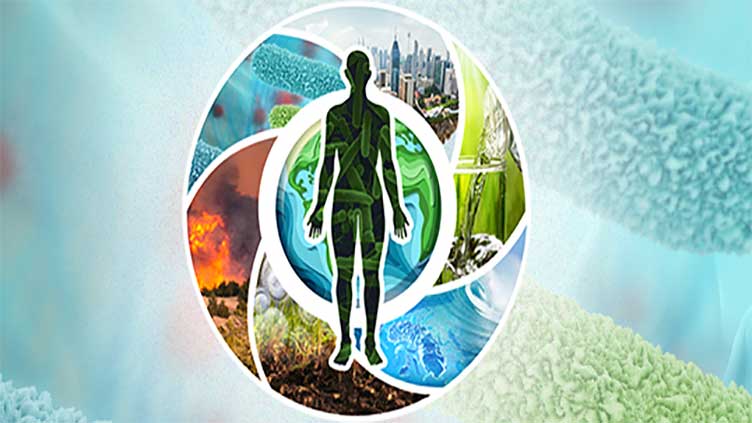
Climate as a Public Health Factor
For much of history, climate was seen as a background condition rather than an active force shaping population health. In the twenty-first century, this perspective no longer holds. Climate change has become rapid and large-scale enough to influence health as profoundly as social or economic factors.
Rising average temperatures contribute to an increase in heatstroke, cardiovascular complications, and the exacerbation of chronic illnesses. Older adults, children, and people with limited access to healthcare are particularly vulnerable. Heat acts not as a one-time challenge, but as a prolonged stressor that gradually exhausts the body’s adaptive capacities.
The cause-and-effect relationship is clear: the more frequent and intense extreme weather conditions become, the greater the strain on healthcare systems. Heatwaves that were once considered rare anomalies are now regular occurrences, while many cities remain poorly prepared. A lack of green spaces, dense urban development, and overloaded power grids intensify the “urban heat island” effect.
It is also important to recognize that climate influences health indirectly. It alters working conditions, access to water and food, and levels of air pollution. Together, these factors form a complex public health landscape shaped by environmental change.
The Spread of Diseases in a Changing Climate
One of the most visible consequences of climate change is the transformation of disease distribution. Illnesses once confined to specific regions are expanding into new areas. This is particularly evident in the case of vector-borne diseases.
Rising temperatures and changing precipitation patterns create favorable conditions for the expansion of mosquito and tick habitats. As a result, diseases such as dengue fever, malaria, and Lyme disease are appearing in regions where they were previously unknown. Healthcare systems in these areas often lack experience in diagnosing and treating such conditions, increasing health risks.
Climate change also affects water and food quality. Floods and droughts disrupt sanitation systems, raising the likelihood of waterborne and gastrointestinal infections. Pollution of water sources and degradation of agricultural land undermine food security, leading to malnutrition and weakened immune systems.
Another important aspect is the rise in allergic diseases. Longer pollen seasons and higher concentrations of allergens in the air contribute to growing rates of asthma and allergic rhinitis. This trend is especially pronounced in urban environments, where air pollution amplifies the effects of climate-related factors.
Overall, climate change acts as a catalyst for existing health problems, increasing their scale and complexity rather than creating entirely new challenges.
Climate Migration and Its Health Consequences
One of the most complex and long-term effects of climate change is the rise of climate-induced migration. Droughts, floods, sea-level rise, and land degradation force millions of people to leave their homes. These movements have direct health implications for both migrants and host communities.
For displaced individuals, climate stress is often compounded by social and psychological trauma. The loss of homes, livelihoods, and social networks increases the risk of depression, anxiety disorders, and post-traumatic stress. In such conditions, access to consistent medical care is usually limited or fragmented.
Host regions, in turn, face additional pressure on healthcare systems. Sudden population growth can result in shortages of medical personnel, medications, and infrastructure. Without systematic management, these pressures can intensify social tensions and deepen inequalities.
It is important to understand that climate migration is not a temporary phenomenon. As climate change accelerates, it will become a permanent feature of global development. Healthcare systems must adapt by shifting from crisis response to long-term planning.
Mental Health in an Era of Climate Instability
Beyond physical illness, climate change has a significant impact on mental health. The term “climate anxiety” has emerged to describe chronic worry about the future of the planet and personal safety.
Extreme weather events such as wildfires, hurricanes, and floods leave not only physical destruction but also deep psychological scars. People who experience such disasters often face long-term emotional consequences, including fear of recurrence and a loss of control over their lives.
Even those not directly affected by climate disasters feel their impact through media coverage and public discourse. A constant flow of alarming information contributes to a sense of instability and uncertainty, particularly among younger generations.
From a public health perspective, this highlights the need to expand mental health and psychosocial support services. Mental well-being is no longer a secondary concern, but a central element of adaptation to climate change.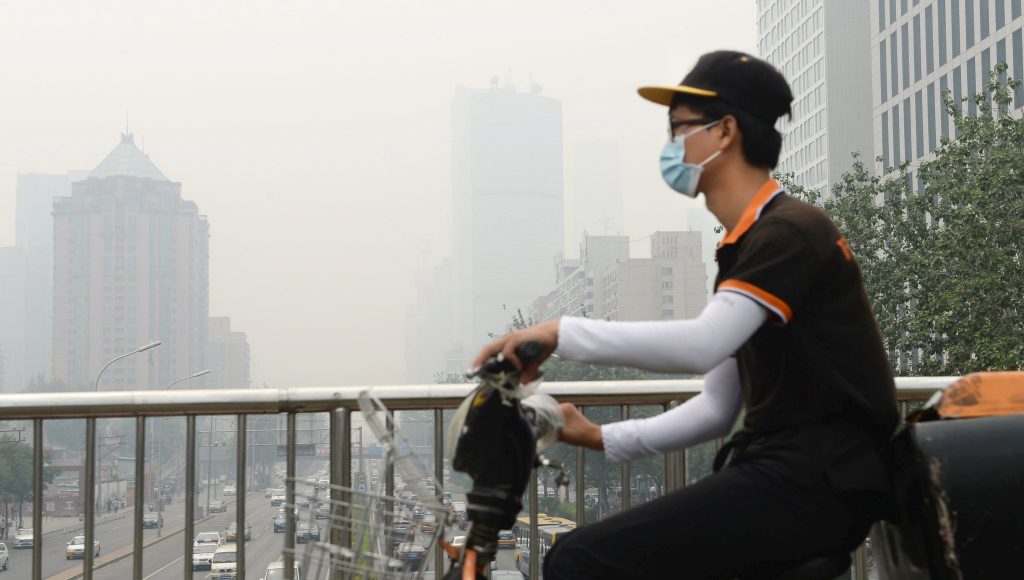
Global Inequality and Climate-Related Health Risks
Climate change intensifies existing global inequalities in health. Countries and communities that contribute least to global emissions are often the most vulnerable to their consequences. This creates a profound ethical and political challenge.
In low-income regions, limited access to clean water, adequate nutrition, and healthcare makes the effects of climate change far more severe. Diseases that are manageable in wealthier countries can lead to high mortality rates in vulnerable communities.
At the same time, high-income countries have greater resources for adaptation, including early warning systems, advanced healthcare infrastructure, and the capacity to invest in prevention. This widens the health gap between regions.
From a public health standpoint, addressing climate-related health impacts is impossible without considering social justice. Adaptation strategies must focus not only on average outcomes, but also on protecting the most vulnerable populations.
Major Climate Factors and Their Impact on Health
| Climate Factor | Main Health Consequences | Vulnerable Groups |
|---|---|---|
| Rising temperatures | Heatstroke, cardiovascular complications | Older adults, children |
| Extreme precipitation | Infections, injuries, poor sanitation | Low-income communities |
| Air pollution | Asthma, respiratory diseases | Urban populations |
| Droughts | Malnutrition, dehydration | Rural regions |
| Climate migration | Mental health disorders, limited healthcare access | Migrants |
This table illustrates how climate change affects health on multiple levels, influencing both physical and mental well-being across different populations.
Key Takeaways
Climate change has become a major determinant of public health.
Extreme weather events significantly increase pressure on healthcare systems.
Climate change alters the distribution of infectious and chronic diseases.
Climate-induced migration creates new medical and social risks.
Mental health is a critical component of climate adaptation.
Climate-related health risks deepen global inequalities in healthcare access.
Conclusion
Climate change is reshaping our understanding of human health, pushing it beyond the boundaries of individual medicine. Diseases, migration, and psychological consequences form a complex system of interconnected challenges that require interdisciplinary solutions. The future of healthcare depends largely on how early societies recognize climate as a health factor and move toward preventive, rather than reactive, strategies. Protecting health in the era of climate change is not only a medical task, but also a matter of social responsibility and long-term global developmen
